Understanding Scotch Super33: Key Features and Benefits
Scotch Super33 is a staple in the world of electrical insulation, revered by electricians and DIY enthusiasts alike for its reliability and performance. As electrical projects demand precision and dependability, the importance of high-quality materials is paramount. The Super33 electrical tape is engineered to meet these demands, making it a vital tool for anyone working with electrical applications. When exploring options, Super33 provides comprehensive insights into performance metrics and application versatility.
What Makes Super33 Stand Out?
Scotch Super33 electrical tape is distinguished by several key features that contribute to its status as a top choice for professionals. First and foremost, it boasts a high-performance adhesive that ensures strong bonding even in challenging conditions. This tape operates effectively in temperature ranges from 0°F to 221°F, making it suitable for both indoor and outdoor applications.
- Thickness: At 7 mils, Super33 is thicker than many competitors, providing enhanced durability and protection.
- Voltage Rating: It is rated for use with voltages up to 600 volts, catering to a wide range of electrical needs.
- Weather Resistance: Its all-weather performance means that it can withstand moisture, UV rays, and other environmental factors without losing effectiveness.
Specifications and Industry Ratings
Super33 is not just about marketing; its specifications are backed by rigorous testing and industry standards. According to 3M, the manufacturer of Scotch tapes, Super33 meets UL and CSA standards, ensuring compliance and safety across various electrical applications. Many electrical professionals and contractors recommend it due to its high ratings in durability, elasticity, and flame resistance, making it a reliable choice for securing electrical connections.
Common Applications Across Industries
The versatility of Super33 allows it to be used in a multitude of applications across several industries:
- Residential Electrical Work: Ideal for general household wiring and repairs.
- Commercial Settings: Widely used in offices and commercial buildings for temporary fixes and installations.
- Automotive Applications: Effective for insulating wires and cables in vehicles.
- Industrial Uses: Commonly used in manufacturing plants and industrial settings for securing electrical connections.
Installation and Usage: Best Practices for Professionals
Using Super33 effectively requires knowledge of best practices to ensure optimal results. Proper installation can significantly enhance the tape's performance and longevity.
Step-by-Step Guide to Using Super33
- Surface Preparation: Ensure that the surfaces are clean, dry, and free of any contaminants.
- Application: Start at one end of the wire or cable, applying tension to the tape as you wrap it around. Overlap each layer by about half the width of the tape to ensure complete coverage.
- Finishing: Press down firmly on the last section of tape to ensure a secure bond.
Tips for Achieving Optimal Adhesion
To maximize the effectiveness of Super33, follow these tips:
- Apply the tape at room temperature for the best adhesion.
- Do not stretch the tape excessively during application, as this can decrease its insulation properties.
- Ensure the tape is applied evenly without bubbles or gaps for uniform coverage.
Safety Considerations When Working with Electrical Tape
While using any electrical materials, safety should always be a priority. When working with Super33, consider the following safety measures:
- Always turn off power to the circuit before starting any electrical work.
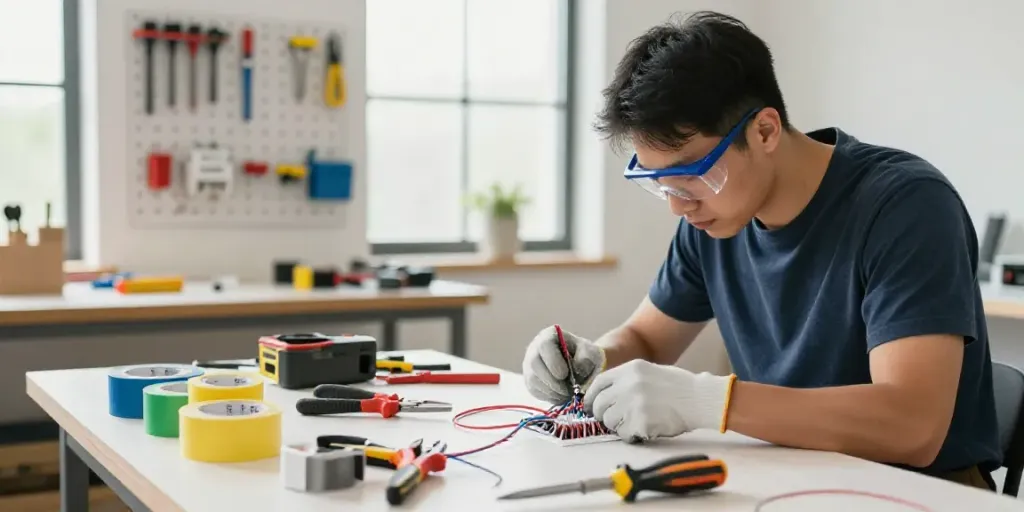
- Wear protective gear, such as gloves and safety goggles, to prevent injuries.
- Handle all tools and materials according to manufacturer instructions.
Comparative Analysis: Super33 vs. Other Electrical Tapes
Understanding how Super33 compares to its competitors is crucial for making informed choices in electrical insulation.
Performance Metrics: Super33 vs. Super 88
When comparing Super33 to 3M's Super 88, key differences emerge:
- Thickness: Super33 is slightly thicker, allowing for better insulation and protection.
- Adhesion: Super33 has a stronger adhesive, making it more reliable in high-stress applications.
- Cost: Although Super33 is often more affordable than Super 88, its performance is not compromised.
Cost Efficiency: Investing in Quality Tape
Though the initial cost of quality tapes like Super33 may be higher than generic options, the long-term savings due to durability and fewer replacements make it an intelligent choice. Professionals report fewer failures and repairs when using high-quality tape, resulting in lower overall maintenance costs.
User Experiences and Testimonials
Feedback from users in various sectors consistently highlights the reliability of Super33. Many electricians note that it provides excellent insulation and is easy to work with, allowing for quick repairs without sacrificing safety.
Addressing Common Challenges in Electrical Insulation
Electrical insulation can sometimes present challenges, particularly in demanding environments. Understanding these challenges can improve outcomes.
Frequently Encountered Issues and Solutions
Some common issues include:
- Poor Adhesion: Ensure surfaces are clean and dry before application.
- Environmental Factors: Use weather-resistant tape in outdoor applications to prevent degradation.
Understanding Voltage Ratings and Limitations
While Super33 is rated for up to 600 volts, it’s essential to consider the specific requirements of each application to ensure safety and compliance with local electrical codes.
Impact of Environmental Conditions on Performance
Environmental conditions such as humidity and temperature can affect performance. For instance, while Super33 performs well in most climates, extended exposure to extreme conditions may compromise its durability. Always assess the environment where the tape will be applied to determine suitability.
Future Trends: Electrical Tape Innovations Beyond 2026
The electrical tape market is evolving, with new technologies poised to enhance performance and sustainability.
Emerging Technologies in Electrical Insulation
Innovations are leading to the development of tapes that offer smarter insulation solutions, including self-fusing designs and tapes that change color to signal degradation.
Eco-Friendly Alternatives and Sustainability
With growing environmental concerns, manufacturers are exploring biodegradable materials and sustainable manufacturing processes for electrical tapes, aiming to reduce waste in the industry.
Predictions for the Electrical Tape Market
By 2026 and beyond, we may see an increased emphasis on enhanced performance tapes that adapt to changing conditions while maintaining user safety. This shift will likely be driven by advancements in material science and engineering.
Is Scotch Super33 the Best Electrical Tape?
For many professionals, Scotch Super33 stands out as the best electrical tape due to its balance of performance, durability, and cost. While personal preference plays a role, its broad acceptance across industries speaks volumes about its quality.
How Many Volts is Super33 Good For?
Super33 is rated for use in applications with voltages up to 600 volts, making it suitable for a wide range of electrical needs from low to high voltage systems.
What's Better, Super 33 vs Super 88?
While both tapes are excellent choices, Super33 offers thicker insulation and better adhesion, while Super 88 is designed for more specialized applications. The choice between them should be guided by specific project needs.