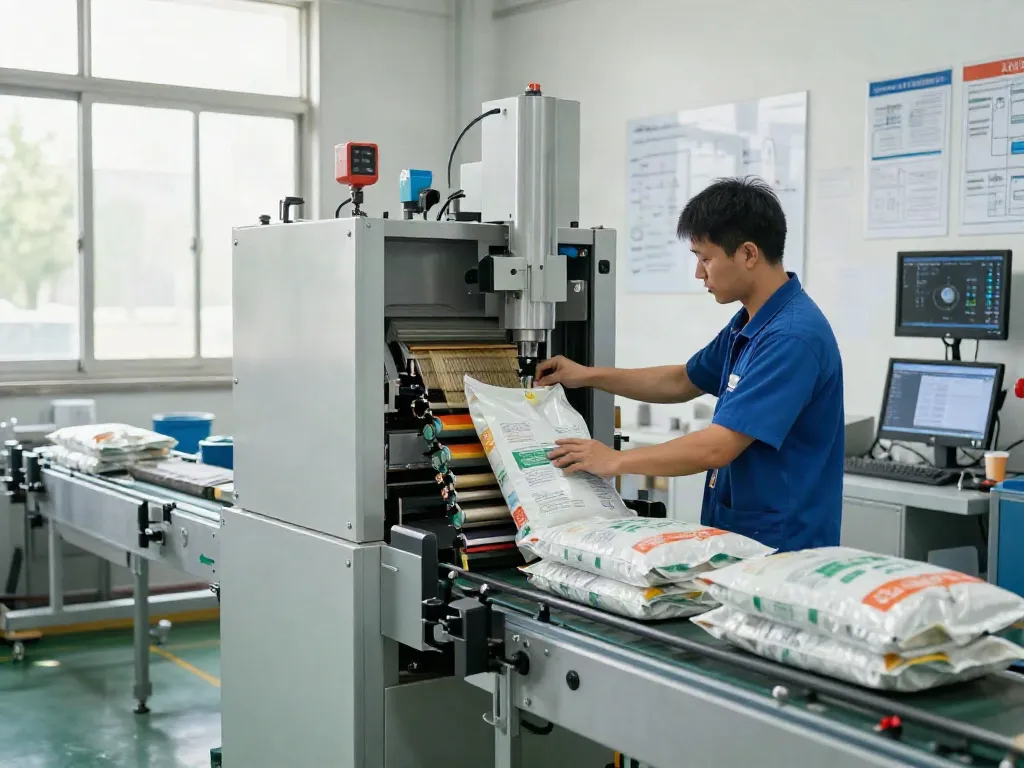
Understanding Customized Packaging Solutions
In the rapidly evolving world of packaging, the emphasis on tailored solutions has never been greater. Companies across various sectors are increasingly recognizing the importance of integrating customized packaging solutions into their operational strategies. By adopting packaging systems that cater specifically to their needs, manufacturers can enhance efficiency, ensure product safety, and ultimately create a stronger brand presence in the marketplace. This article explores the multifaceted world of customized packaging solutions, highlighting their significance, benefits, challenges, and future trends.
What Are Customized Packaging Solutions?
Customized packaging solutions are specifically designed to meet the unique requirements of a product and its market. Unlike generic packaging, these solutions take into account aspects such as size, shape, materials, and branding elements to create an optimal package. This approach not only protects the product during transport but also aligns with the company's branding strategy, enhancing consumer perception and satisfaction.
Importance of Tailored Packaging in Heavy Industry
In the heavy industry sector, where products are often bulky and subject to harsh handling conditions, the necessity for tailored packaging cannot be overstated. Customized packaging solutions can help mitigate risks associated with product damage and inefficiency in storage and transportation. By analyzing specific requirements, manufacturers like Durzerd can create robust packaging mechanisms that secure the contents while also considering factors like load weight and stacking integrity.
Key Features of Effective Packaging Solutions
- Durability: Customized packaging must withstand transportation conditions, including pressure and environmental factors.
- Cost-Effectiveness: Solutions should provide financial benefits through reduced material waste and lower shipping costs.
- Brand Identity: Packaging must reflect the company's branding, supporting recognition and customer loyalty.
- Functionality: Packaging should facilitate easy handling, storage, and usage, ensuring that it serves its purpose effectively.
Benefits of Customized Packaging Solutions
Enhancing Operational Efficiency and Reducing Costs
One of the primary benefits of customized packaging solutions is their ability to enhance operational efficiency. By using packaging that is tailored to the product's exact dimensions, companies can significantly reduce material costs and waste. This precision leads to better use of storage space and minimizes transportation costs, as optimizing the packaging allows for maximizing truckload capacity.
Improving Product Safety and Integrity
Customized packaging solutions are engineered to provide superior protection for products, minimizing the risk of damage during movement through the supply chain. For industries dealing with heavy, fragile, or sensitive products, tailored packaging ensures that items arrive at their destination in pristine condition, thus maintaining brand integrity and customer trust.
Boosting Brand Recognition and Customer Engagement
A well-designed package can serve as a key touchpoint for a brand, influencing customer perceptions and decisions. Customized packaging allows companies to showcase their unique value proposition and engage customers through design and functionality. Enhanced visibility and interaction can lead to increased sales and customer loyalty over time.
Challenges in Implementing Customized Packaging Solutions
Common Misconceptions about Custom Packaging
Despite the advantages, there are several misconceptions surrounding customized packaging solutions. Some businesses erroneously believe that customization is prohibitively expensive or time-consuming. However, innovative approaches and advancements in technology can significantly streamline the customization process, making it accessible for companies of all sizes.
Overcoming Technical Barriers in Packaging Design
Developing customized packaging solutions can present technical challenges, particularly when it comes to integrating modern technologies into traditional systems. Companies must invest in R&D and collaborate closely with packaging manufacturers to ensure that the resulting solutions are not only effective but also compatible with existing production processes.
Addressing Supply Chain Constraints
Supply chain disruptions can pose significant challenges to the implementation of customized packaging solutions. Companies need to maintain strategic relationships with suppliers and logistics partners to ensure continuous availability of the materials required for custom packaging. Proactive planning and flexibility in sourcing can help mitigate these risks.
Best Practices for Designing Customized Packaging Solutions
Leveraging Technology in Packaging Development
Utilizing advanced technologies in packaging design is crucial for optimizing processes and outcomes. Innovations such as computer-aided design (CAD), 3D modeling, and automated production lines can enhance the development of custom packaging solutions. By leveraging these tools, manufacturers can streamline workflows and improve package performance.
Incorporating Sustainability into Packaging Choices
As sustainability becomes a pivotal concern for consumers and companies alike, customized packaging must also prioritize environmentally-friendly practices. Utilizing recyclable materials, reducing waste, and adopting minimalistic designs can not only benefit the planet but also align with consumer preferences for sustainable products, enhancing brand image.
Engaging Your Audience: Customization Strategies
To effectively engage customers, businesses should employ customization strategies that resonate with their audience. This can involve soliciting feedback during the packaging design process, creating trials, and adapting designs based on consumer preferences. Such approaches ensure that the packaging not only meets functional requirements but also appeals to the target market.
Future Trends in Customized Packaging Solutions
Emerging Technologies Shaping the Packaging Industry
The landscape of packaging is continuously evolving, with emerging technologies such as artificial intelligence (AI), augmented reality (AR), and the Internet of Things (IoT) poised to transform customized packaging solutions. These technologies can enhance user experience, improve tracking and logistics, and enable more responsive manufacturing practices.
Predictions for Custom Packaging in 2026 and Beyond
Looking towards 2026, we can anticipate a growing emphasis on hyper-customization, where packaging solutions are increasingly personalized not just to business needs but also to individual consumer preferences. Brands that embrace this trend will likely see a competitive advantage in a crowded marketplace, as personalization becomes a key driver of customer loyalty and engagement.
Adapting to Market Changes and Consumer Preferences
As consumer preferences shift towards sustainability and innovation, companies must be agile and responsive. Implementing an iterative approach to packaging design that considers market feedback will be vital for maintaining relevance in the industry. Brands should continuously evolve their packaging solutions to align with both technological advancements and consumer expectations.
How can I create my own custom packaging?
To create your own custom packaging, start by understanding your product requirements and conducting market research to identify consumer preferences. Collaborate with packaging suppliers who specialize in customization, and be sure to utilize design software to visualize your ideas before production.
How much does it cost for custom packaging?
The cost of custom packaging varies widely based on factors such as material choice, design complexity, and order volume. Generally, larger orders can lower the per-unit cost, making customization more affordable for businesses willing to invest in bulk manufacturing.
What are the top 5 packaging companies in the USA?
Some of the leading packaging companies in the USA include Amcor, Sealed Air, WestRock, Berry Global, and Crown Holdings. These corporations are recognized for their innovative solutions and extensive product offerings across various sectors.
How to get customized packaging?
To procure customized packaging, businesses should engage with packaging manufacturers who specialize in custom solutions. This entails providing detailed specifications, discussing design ideas, and negotiating pricing and timelines to align with company goals.
What are the environmental impacts of packaging?
The environmental impacts of packaging can be significant, contributing to waste and pollution if not managed responsibly. Companies must consider sustainable materials and practices to minimize their ecological footprint, reflecting a growing consumer demand for environmentally-conscious products.