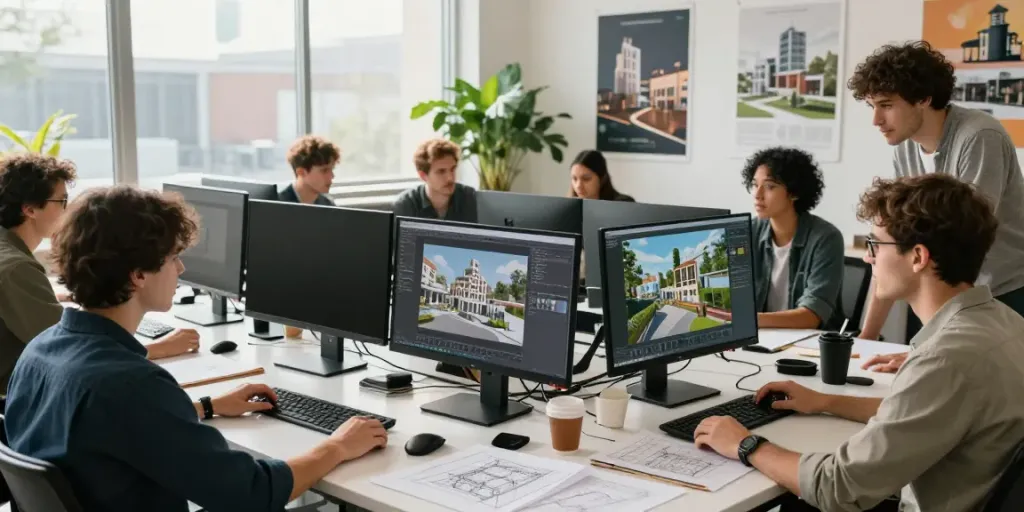
Understanding Professional Architectural Rendering
In the modern architectural landscape, professional architectural rendering has become a crucial element in communicating design ideas to clients, stakeholders, and the general public. This process involves transforming blueprints and conceptual designs into visually stunning 3D models that can be easily understood and appreciated, even by those without a technical background. As technology advances, the methods and tools for creating these renderings have also evolved, significantly enhancing the ways architects and designers present their projects.
What is Professional Architectural Rendering?
Professional architectural rendering is a specialized service that involves creating detailed visual representations of proposed structures, whether residential, commercial, or industrial. These renderings can take various forms, including static images, 3D models, animations, and interactive presentations, all designed to showcase the intended appearance and functionality of a building. The goal of architectural rendering is to provide clients and stakeholders with a clear and realistic preview of how a project will look once completed, helping to guide design decisions and secure necessary approvals.
The Evolution of Architectural Rendering Techniques
Over the years, architectural rendering has evolved from hand-drawn sketches and watercolor illustrations to sophisticated computer-generated imagery (CGI). Early methods relied heavily on artistic skills and imagination, often leading to interpretations that may not accurately reflect the final product. With the introduction of CAD (computer-aided design) software in the late 20th century, the industry experienced a paradigm shift. Today, advanced rendering techniques utilize 3D modeling software, photo-realistic rendering engines, and virtual reality (VR) technology to create immersive environments that engage clients on a deeper level.
Key Benefits of Using Professional Architectural Rendering
- Enhanced Visualization: Architectural renderings allow clients to visualize their projects in a way that traditional blueprints cannot, bridging the gap between concept and reality.
- Improved Communication: Renderings help to facilitate discussions between architects, clients, and contractors by providing a common visual reference.
- Marketing Tool: High-quality renderings can be used in marketing materials, attracting potential buyers and investors with stunning visuals.
- Design Validation: Renderings serve as a valuable tool for validating design decisions early in the process, allowing for necessary adjustments before construction begins.
Types of Architectural Rendering Services
Exterior Rendering: Bringing Designs to Life
Exterior rendering focuses on the outward appearance of a building, showcasing its façade, landscaping, and surrounding environment. This type of rendering is crucial for highlighting architectural features, materials, and colors, offering a comprehensive perspective on how the structure will integrate into its surroundings. Exterior renderings are essential for presentations to planning boards and for marketing purposes, as they vividly display the project's aesthetics.
Interior Rendering: Visualizing Spaces with Precision
Interior rendering provides insights into the layout, design, and ambiance of interior spaces. By creating lifelike representations of rooms, furniture, lighting, and textures, interior renderings allow clients to see how a space will feel and function. This type of rendering is especially useful for interior designers and homeowners who wish to explore various design concepts before making costly decisions.
3D Animation and Virtual Tours: An Immersive Experience
3D animations and virtual tours take architectural rendering to the next level by offering dynamic visual experiences. Clients can "walk through" a building before it exists, exploring different angles and perspectives. This immersive experience not only captivates audiences but also enhances understanding of complex designs, making it easier for clients to provide feedback and make informed choices.
The Process of Creating Professional Architectural Renderings
From Concept to Completion: Understanding the Workflow
The workflow for creating professional architectural renderings typically begins with gathering initial design concepts, blueprints, and specifications from the architect or client. Next, a 3D model is constructed using specialized software that accurately reflects the project's dimensions and materials. Once the model is complete, artists apply textures, colors, and lighting to create realistic visuals. After the initial render, adjustments may be made based on client feedback to ensure the final product meets expectations.
Software Used in Professional Architectural Rendering
Professional architectural rendering relies on advanced software tools to produce high-quality visuals. Popular software includes Autodesk 3ds Max, SketchUp, V-Ray, and Rhino, among others. These programs enable artists to create detailed models, apply materials, and generate realistic renderings. Additionally, post-processing software like Adobe Photoshop is often used to enhance images further, adding final touches that elevate the overall quality of the presentation.
Common Challenges and How to Overcome Them
Creating effective architectural renderings can present several challenges, including managing client expectations, ensuring accurate representation of materials, and working within tight deadlines. To overcome these challenges, clear communication with clients is essential. Providing clients with a realistic timeline and involving them in the feedback process can help align expectations. Additionally, thorough research and understanding of materials can improve the accuracy of visual representations.
Choosing the Right Architectural Rendering Company
Key Factors to Consider When Outsourcing
When selecting an architectural rendering company, it's crucial to consider several factors to ensure the best fit for your project. Start by reviewing the company's portfolio to assess the quality and diversity of their work. Look for testimonials from past clients to gauge reliability and professionalism. Additionally, consider the company's experience within your specific industry, as different projects may require unique approaches and expertise.
Evaluating Portfolios and Client Testimonials
A thorough evaluation of portfolios is essential when choosing a rendering company. Look for examples that demonstrate the company's ability to produce high-quality, photorealistic images across various styles and projects. Client testimonials can provide insights into the company's communication style, adherence to deadlines, and overall satisfaction. Don’t hesitate to reach out to past clients for direct feedback on their experiences working with the company.
Questions to Ask Before Making a Decision
Before finalizing your decision, consider asking prospective rendering companies a few crucial questions:
- What is your typical turnaround time for projects of this nature?
- What software do you use for rendering, and why do you choose it?
- Can you accommodate changes during the project, and how are those changes managed?
- Do you have experience working with projects similar to mine, and can you share relevant examples?
The Future of Architectural Rendering in 2026 and Beyond
Emerging Trends in Architectural Visualization
As technology continues to evolve, so does the landscape of architectural rendering. Emerging trends include the increasing use of virtual reality (VR) and augmented reality (AR) in showcasing projects. These technologies provide clients with immersive experiences, allowing them to interact with designs in real time. Additionally, advancements in AI-assisted rendering are streamlining workflows and enhancing accuracy, enabling artists to focus more on creativity and less on technical execution.
The Impact of Technology on Rendering Techniques
Technology has a profound impact on rendering techniques, driving the development of more sophisticated tools and workflows. Real-time rendering software allows for quicker iterations and immediate visual feedback during design processes. Furthermore, improved rendering engines are capable of producing highly detailed images with complex lighting and shadow effects, enhancing realism significantly. As these technologies become more accessible, they will redefine industry standards and expectations.
Preparing for the Future: Skills for Rendering Professionals
As the field of architectural rendering undergoes these transformations, professionals must adapt by acquiring new skills. Familiarity with advanced software, understanding design principles, and staying informed about technological advancements are essential for success. Additionally, developing strong communication skills will help professionals articulate their vision and collaborate effectively with clients and colleagues.
How much do architects charge for renderings?
Architectural rendering costs can vary significantly based on numerous factors, including the complexity of the design, the selected angles, and the number of images or animations required. Generally, clients can expect that more intricate projects or those requiring extensive detail will demand a higher price tag.
Can ChatGPT do architectural renderings?
While AI technologies like ChatGPT can generate textual content and provide valuable insights into architectural rendering, they are not capable of creating visual renderings. The creation of professional-quality renderings still relies on the expertise of skilled artists using specialized software.
What is architectural rendering?
Architectural rendering is the process of producing visual representations of proposed structures using specialized software. These images can range from static pictures to animated walkthroughs, enabling clients to visualize the final product before construction begins.
What is an architectural rendering called?
Architectural renderings are often referred to as visualizations, 3D renderings, or CGI (computer-generated imagery). These terms reflect the various forms and techniques used to create these visual representations.
Should I outsource 3D rendering services?
Outsourcing 3D rendering services can offer several advantages, including access to specialized skills, cost savings, and a faster turnaround time. Companies can rely on external experts to deliver high-quality visuals that enhance project presentations and marketing efforts.