
Understanding the Nohu Concept in Modern Dining
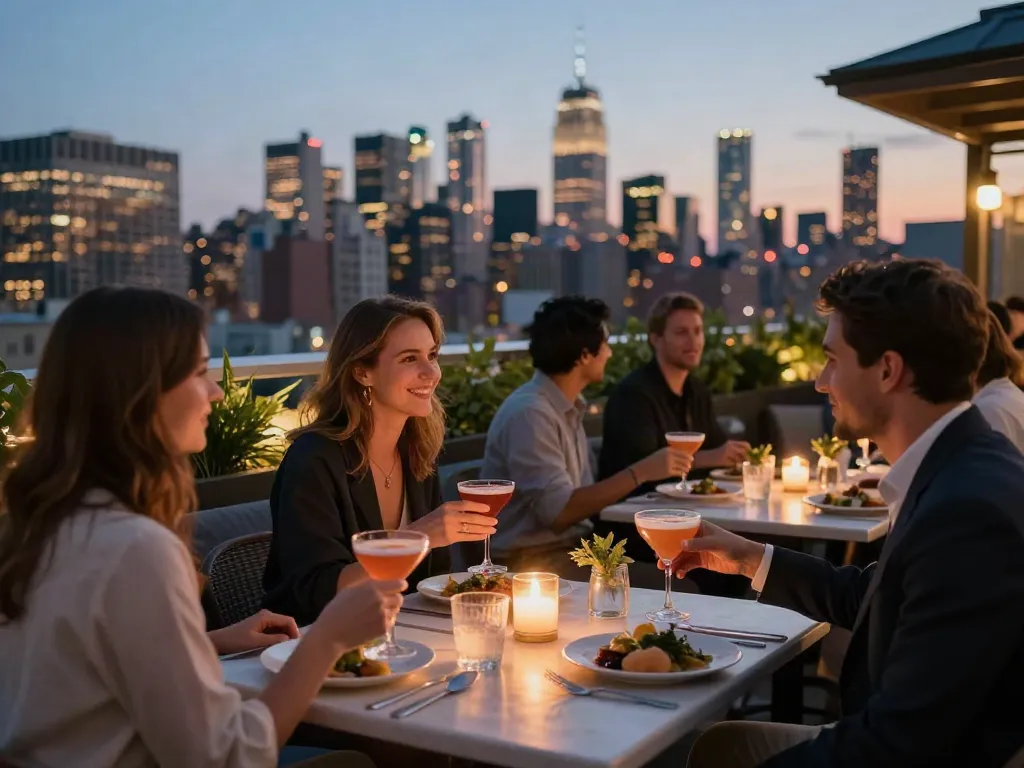
The modern dining experience has evolved significantly over the past few years, with a growing emphasis on unique atmospheres, innovative menus, and immersive culinary journeys. Central to this transformation is the concept of "Nohu." This term encapsulates a blend of elegance and casual dining, particularly evident in rooftop establishments that offer breathtaking views alongside exquisite dishes. As diners increasingly seek memorable experiences rather than just meals, understanding the Nohu concept becomes essential for restaurant owners and chefs alike. When exploring options, nohu provides comprehensive insights into how these elements come together in contemporary gastronomy.
What is Nohu? Exploring the Definition and Origins
At its core, "Nohu" refers to a dining concept that marries the artistry of cuisine with an elevated dining environment. The term can be traced back to influences from both Asian and Western culinary traditions, creating a vibrant fusion that excites the palate. The origins of this dining style emphasize not only the food itself but also the overall experience—from the presentation of dishes to the aesthetics of the dining space. This multifaceted approach seeks to captivate diners, turning each meal into a holistic event.
The Evolution of Rooftop Dining Concepts
Rooftop dining has surged in popularity, with establishments capitalizing on city skylines and natural vistas to enhance the dining experience. Initially seen as a luxury reserved for high-end hotels, rooftop bars and restaurants have evolved to offer diverse culinary experiences across various demographics. The Nohu concept embodies this evolution, focusing on accessibility while maintaining an upscale feel. Guests seek not just a meal but an ambiance that elevates their dining experience, fostering a connection with the environment around them.
Key Elements That Define the Nohu Experience
The Nohu experience is characterized by several key elements:
- Atmospheric Design: Interiors that reflect the local culture and setting, incorporating natural materials and sustainable practices.
- Culinary Innovation: Menus that prioritize seasonal and local ingredients, featuring creative twists on traditional dishes.
- Human Connection: Engaging staff who enhance the experience through knowledgeable service and personal touches.
- Community Engagement: Collaborations with local artists and businesses to create a multifaceted dining destination.
Culinary Offerings: Crafting an Irresistible Menu
The heart of the Nohu experience lies in its menu. Crafting delicious offerings that resonate with diners while capturing the essence of the Nohu philosophy is essential for success in modern dining.
Signature Dishes That Define Nohu's Identity
Signature dishes serve as a testament to the restaurant's identity. These dishes often include unique flavor combinations that tell a story or highlight a specific ingredient. For example, a dish featuring miso-glazed eggplant might reflect a commitment to plant-based options, while also incorporating elements of Japanese cuisine. Signature dishes should be visually appealing and crafted with high-quality ingredients, engaging diners' senses before they even take a bite.
Incorporating Local Ingredients for Flavorful Impact
Utilizing local ingredients not only supports community farmers and producers but also enhances the flavor profile of the dishes. By integrating seasonal produce, meats, and dairy, restaurants can create menus that change regularly, keeping the offerings fresh and exciting. This focus aligns with the growing consumer demand for sustainability in dining, inviting patrons to feel good about their culinary choices.
Menu Trends to Watch in 2026: What Diners Want
As we approach 2026, several key trends are set to dominate the culinary landscape:
- Plant-Based Options: The rise of vegan and vegetarian dishes, catering to health-conscious and environmentally-aware consumers.
- Global Flavors: A blending of international cuisines, bringing diverse flavors to the forefront of dining.
- Interactive Dining: Experiences that engage diners, such as cooking classes or chef's table options.
- Health-Conscious Choices: Menus that highlight nutritional benefits while still being indulgent.
Building an Atmosphere: Creating the Perfect Dining Environment
Creating a memorable atmosphere is a critical aspect of the Nohu dining experience. This not only includes the physical space but also the overall vibe that welcomes guests and invites them to unwind.
Interior Design Tips for Rooftop Spaces
When designing a rooftop restaurant, focus on elements that enhance the view while providing comfort. Use natural materials, such as wood and stone, to create a warm atmosphere. Consider flexible seating arrangements that allow for both intimate dining and larger group gatherings. Integrating greenery can also contribute to an inviting ambiance, making the most of the rooftop setting.
Lighting and Ambience: Setting the Mood
Lighting is crucial in establishing the mood within a rooftop dining environment. Soft, warm lighting creates an inviting atmosphere, while accent lighting can highlight specific design features or menu items. Outdoor installations such as string lights or lanterns can enhance the experience during evening hours, making the space feel magical.
Catering to Diverse Customer Preferences
Understanding and catering to diverse customer preferences is key to success. This includes offering varied menu options, such as gluten-free, vegetarian, and allergen-free dishes, ensuring that all guests feel welcome. Regularly engaging with customers through feedback forms can help restaurants adjust their offerings to meet the evolving needs of diners.
Marketing Strategies for Attracting Diners
In a competitive dining landscape, effective marketing strategies are essential to attracting customers and retaining loyalty.
Leveraging Social Media for Brand Visibility
Social media platforms offer a powerful avenue for restaurants to connect with potential diners. Platforms like Instagram and TikTok are particularly effective for showcasing beautiful food photography and engaging content. Regularly posting updates, behind-the-scenes glimpses, and interactive polls can help build an authentic brand presence and keep followers excited about new offerings.
Influencer Collaborations: A Modern Approach to Promotion
Collaborating with influencers in the food and lifestyle sectors can significantly boost visibility. Partnering with local influencers allows restaurants to reach targeted audiences more effectively while providing authentic reviews and exposure. Such collaborations can take the form of tasting events, menu previews, or unique dining experiences.
SEO Best Practices for Restaurant Websites
A strong online presence is vital for attracting new customers. Implementing SEO best practices, such as optimizing website content for target keywords, improving site speed, and utilizing local SEO strategies, can enhance online visibility. Additionally, ensuring that the restaurant’s website is mobile-friendly and includes essential information—such as menus, reservations, and contact details—will improve user experience and drive traffic.
Future Trends in Dining and Hospitality for 2026
The dining landscape is continuously changing, driven by innovations and shifting consumer preferences. Understanding these trends can help restaurant owners stay ahead of the curve.
Technological Innovations Transforming the Experience
As technology continues to evolve, it is reshaping the dining experience. Innovations such as AI-driven menus, contactless payments, and augmented reality experiences are expected to become more mainstream. These technologies can enhance efficiency, improve customer satisfaction, and offer unique dining interactions that resonate with tech-savvy consumers.
Embracing Sustainability in Restaurant Operations
Consumers are increasingly attentive to sustainability, prompting restaurants to adopt eco-friendly practices. Implementing waste reduction strategies, sourcing local ingredients, and utilizing biodegradable packaging can help align restaurant operations with consumer expectations, fostering a positive image in the eyes of diners.
Predictions for Consumer Behavior in the Dining Sector
As we move closer to 2026, consumer behavior is predicted to shift towards more experiential dining. For more information, trang chủ nohu offers valuable insights. Diners are likely to prioritize establishments that offer unique experiences and cater to personal preferences. Transparency regarding food sourcing and preparation methods will also become increasingly important, as consumers seek authenticity in their culinary choices.