
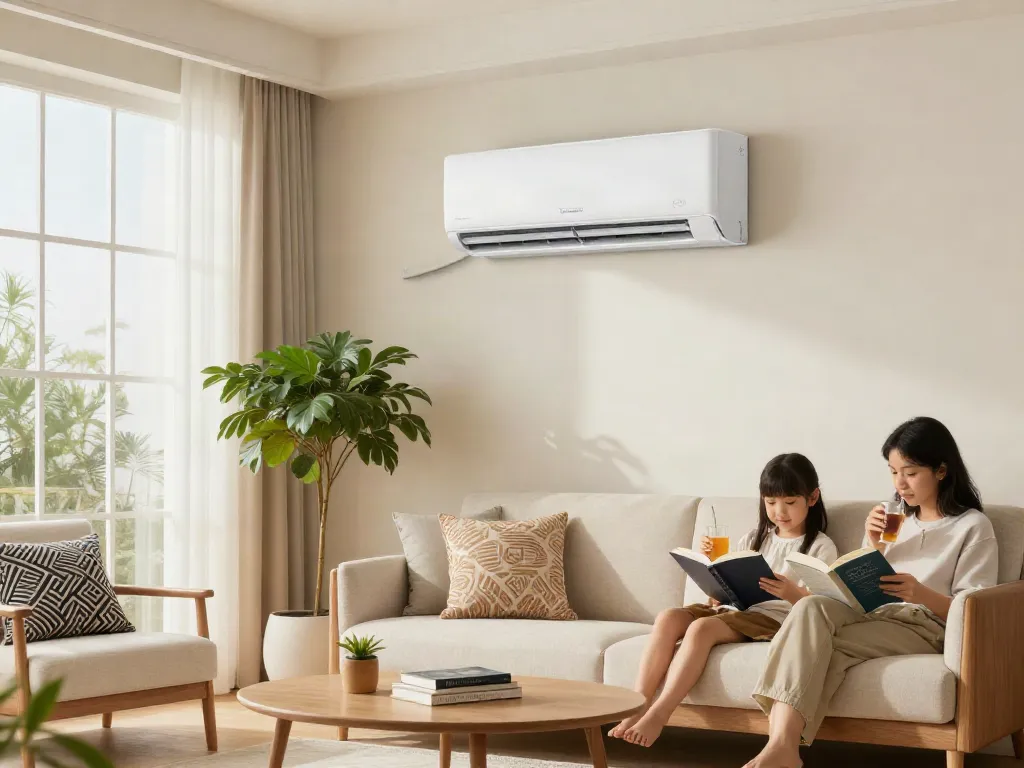
Understanding Mini Split Systems
As homeowners increasingly seek energy-efficient options for heating and cooling, mini split systems have surged in popularity. They offer an innovative solution that is not only effective but also elegant in design, often featuring sleek indoor units that blend seamlessly into modern interiors. These systems are particularly beneficial for spaces that lack ductwork, making them an ideal choice for retrofitting older homes or adding climate control to new constructions. When exploring options, mini split air conditioners provide comprehensive insights into how these units can enhance comfort while reducing energy consumption.
What is a Mini Split Air Conditioner?
A mini split air conditioner is a type of HVAC system that operates without ductwork. Its design includes two primary components: an outdoor compressor/condenser unit and one or more indoor air-handling units. This configuration allows for precise temperature control in individual rooms. Mini splits are recognized for their versatile applications, whether for cooling a single room, heating a small apartment, or managing climate in larger spaces through multiple indoor units.
Benefits of Using Mini Split Systems
Mini split systems provide several advantages over traditional HVAC systems:
- Energy Efficiency: Mini splits typically have higher SEER ratings than conventional systems, leading to significant reductions in energy costs.
- Flexible Installation: The absence of ductwork allows for a variety of installation options, including wall-mounted units, ceiling cassette units, and floor-mounted options.
- Zone Control: Homeowners can control the temperature in different rooms separately, enhancing comfort and efficiency.
- Quiet Operation: Many mini split systems operate more quietly than traditional HVAC units, making them ideal for bedrooms and living areas.
- Reduced Carbon Footprint: Their energy efficiency contributes to lower greenhouse gas emissions compared to systems that rely on fossil fuels.
Key Components of a Mini Split System
Understanding the components of a mini split system can help homeowners appreciate its function and setup:
- Outdoor Unit: Houses the compressor and condenser, responsible for expelling heat from the refrigerant.
- Indoor Unit: Contains the evaporator coil and blower, circulating cooled or heated air into the living space.
- Refrigerant Lines: Connect the indoor and outdoor units, allowing the refrigerant to flow and facilitating heat exchange.
- Control System: Most systems come with a remote control or smart thermostat for easy temperature management.
Installation Process Explained
Installing a mini split air conditioner can be a manageable task for those who are handy or a significant project that may require professional assistance. The process involves selecting appropriate locations, ensuring proper installation of refrigerant lines, and electrical connections.
Choosing the Right Location for Your Mini Split
The effectiveness of a mini split system largely depends on the location of the indoor units. Consider the following factors:
- Room Size: Position the unit in a way that allows for optimal air distribution.
- Obstructions: Avoid placing units where furniture or curtains could obstruct airflow.
- Access to Electrical Connections: Ensure the unit can be easily connected to power sources without extensive modifications.
DIY Installation vs. Professional Assistance
While some homeowners may opt for a DIY installation, hiring a professional can often ensure better results and compliance with local building codes. Consider the following:
- Skills Required: Installing a mini split requires knowledge of electrical work and refrigerant handling, which can be complex and hazardous.
- Warranty Considerations: Some manufacturers may void warranties if systems are not installed by certified professionals.
Essential Tools and Safety Precautions
If you are considering a DIY installation, ensure you have the following tools and safety measures in place:
- Tools: Drill, level, vacuum pump, refrigerant gauges, and electrical tools are essential for installation.
- Protective Gear: Safety goggles, gloves, and masks can protect you during the installation process.
Operational Efficiency and Cost Savings
Understanding how mini splits operate efficiently can help homeowners maximize their energy savings and comfort.
How Mini Splits Save Energy and Money
Mini split systems are particularly energy-efficient due to their ability to operate based on demand. Key features that contribute to cost savings include:
- Variable Speed Compressors: These adjust their speed based on load demands, minimizing energy waste.
- Energy Star Ratings: Many mini split systems exceed federal efficiency standards, ensuring lower utility bills.
Factors Affecting Mini Split Efficiency Ratings
Several factors can impact the efficiency of mini split systems:
- Insulation Quality: Well-insulated spaces retain temperature better, improving system efficiency.
- Climate Control Practices: Smart temperature management and routine maintenance can extend the lifespan and efficiency of the units.
Understanding Utility Costs and Budgeting
When budgeting for a mini split installation, consider initial costs versus long-term savings. While the upfront investment might be higher than traditional HVAC systems, the energy savings can lead to lower overall costs over the unit’s lifespan.
Common Challenges and Solutions
Like any HVAC system, mini splits can present challenges. Understanding these issues can help facilitate effective solutions.
Addressing Installation Issues and Mistakes
Common installation pitfalls include improper sizing of the unit or inadequate sealing of refrigerant lines, which can lead to inefficiencies. Ensuring accurate measurements and following manufacturer guidelines can prevent these problems.
Maintenance Tips for Longevity
Regular maintenance is key to ensuring the longevity of mini split systems:
- Clean Filters: Replacing or cleaning filters every few months helps maintain air quality and efficiency.
- Regular Inspections: Annual inspections by a qualified technician can catch potential issues before they escalate.
How to Troubleshoot Common Problems
Homeowners can troubleshoot common issues by checking the following:
- Inconsistent Temperatures: This may indicate a need for system recalibration or maintenance.
- Noisy Operation: Unusual noises could signal a mechanical problem requiring professional attention.
Future Trends in Mini Split Technology
As technology advances, mini split systems continue to evolve, offering even greater benefits to homeowners.
Innovative Features to Look for in 2026
Emerging features in mini split technology may include improved energy efficiency ratings, smart connectivity for remote monitoring, and enhanced air filtration systems.
Smart Technology Integration in Mini Splits
Many new models offer smart integration, allowing users to control their systems through smartphones or smart home devices, optimizing convenience and efficiency.
Sustainability and Eco-Friendly Options
With increasing emphasis on sustainability, some manufacturers are developing mini split systems using eco-friendly refrigerants and materials designed to minimize environmental impact.
What are the advantages of a mini split system?
Advantages of mini split systems include energy efficiency, flexibility in installation, and the ability to control temperatures across different areas in a home.
What is the typical lifespan of a mini split air conditioner?
With proper maintenance, mini split air conditioners can last between 15 to 20 years, making them a long-term investment in home comfort.
Can a mini split heat an entire house?
While mini splits can effectively heat large areas, multiple units may be necessary to ensure adequate heating throughout a larger home.
What is the best mini split system for larger rooms?
When selecting a mini split for large rooms, choose systems with higher BTU ratings to effectively manage heat loads.
How do I maintain my mini split system?
Maintaining a mini split system involves regular cleaning of filters, checking refrigerant levels, and scheduling annual professional inspections to ensure optimal performance.