Understanding BPC 157: What Is It?
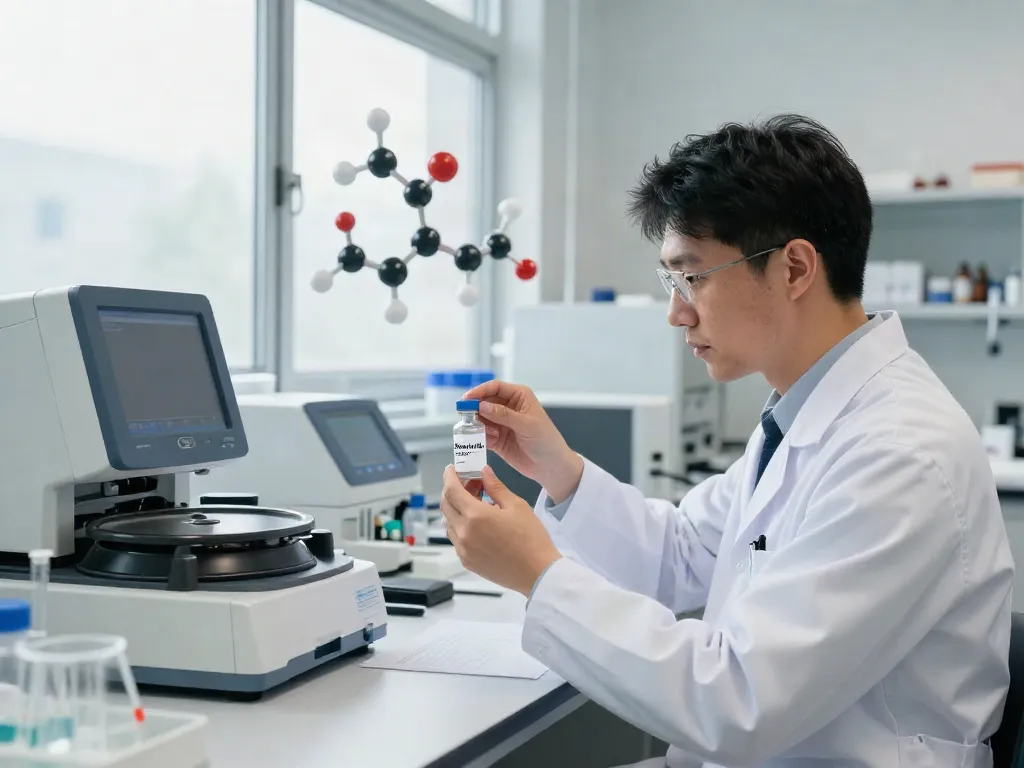
BPC 157, or Body Protection Compound 157, is a synthetic peptide derived from a naturally occurring protein in the stomach. It has garnered significant attention in the medical community for its potential therapeutic properties, particularly in promoting healing and recovery. As research advances, many patients seek to understand how BPC 157 works and what benefits it may offer for various health concerns. When exploring options, BPC 157 provides comprehensive insights into personalized peptide therapies and their growing importance in patient care.
What is BPC 157 and how does it work?
BPC 157 is a 15-amino-acid peptide that plays a vital role in healing tissues and enhancing recovery processes in the body. Its mechanisms involve promoting angiogenesis—the formation of new blood vessels—and stimulating the synthesis of collagen and other growth factors. These processes are crucial for repairing not just superficial wounds, but also deeper injuries, including wounds in tendons, ligaments, and the digestive tract. This peptide has also been linked to the modulation of various inflammatory responses, allowing for accelerated healing without the side effects commonly associated with anti-inflammatory medications.
Key benefits of BPC 157 for recovery
The therapeutic benefits of BPC 157 are extensive, particularly for recovery from injuries and surgeries. Key benefits include:
- Enhanced Tissue Repair: BPC 157 improves the healing of ligaments, tendons, and muscles, making it a popular choice for athletes and those recovering from physical injuries.
- Reduced Inflammation: This peptide can reduce inflammation, significantly alleviating pain and discomfort in chronic injury situations.
- Gut Health Restoration: BPC 157 has shown promise in healing gastrointestinal issues, such as ulcers and inflammatory bowel diseases.
- Improved Recovery Times: Patients using BPC 157 after surgeries often report reduced recovery times and enhanced functional outcomes.
Scientific evidence supporting BPC 157 efficacy
Several studies have investigated BPC 157's effectiveness in both animal models and limited human trials. Research indicates that BPC 157 significantly accelerates the healing of various tissues and serves as a protective agent against injuries that might not heal on their own. For example, one study demonstrated improved tendon-to-bone integration, which is critical for athletes looking to return to peak performance after injuries. While the research is promising, further studies in larger human populations are necessary to establish standard protocols and detailed efficacy data.
Applications of BPC 157 in Clinical Practice
Using BPC 157 for sports injuries
In sports medicine, BPC 157 is frequently employed to treat both acute and chronic sports injuries. Athletes suffering from tendonitis, ligament sprains, and muscle tears report substantial relief and recovery benefits. The peptide not only promotes physical healing but also helps mitigate the risk of re-injury by strengthening the underlying tissues.
Role of BPC 157 in chronic pain management
For individuals dealing with chronic pain, particularly due to conditions like arthritis or long-term injuries, BPC 157 may offer a beneficial alternative to traditional pain management therapies. By facilitating tissue repair and reducing inflammation, patients may experience significant pain relief and improved mobility without relying heavily on opioids or other pain medications.
BPC 157 in surgical recovery protocols
Many surgical procedures lead to considerable downtime in recovery. BPC 157 can expedite this recovery by targeting the surgical site for enhanced healing. Surgeons may consider incorporating BPC 157 as part of postoperative management to foster rapid recovery, minimize swelling, and decrease the risk of complications.
Dosage and Administration of BPC 157
Recommended dosages for various conditions
Dosage of BPC 157 can vary based on the specific condition being treated. Generally, dosages range from 200 to 600 micrograms per day. For acute injuries, higher doses may be utilized short-term, whereas lower, maintenance doses can be effective for chronic conditions. It is essential for patients to follow a healthcare provider's guidance on appropriate dosages based on their individual health profiles and recovery objectives.
Administration methods: Injections vs. oral
BPC 157 can be administered primarily through injections, which are often the most effective method for ensuring direct entry into the bloodstream and target tissues. The peptide is usually injected subcutaneously or intramuscularly, accommodating localized treatment areas. Although oral forms are available, they may be less effective due to gastrointestinal breakdown. Patients considering BPC 157 should consult their healthcare providers for the most suitable administration method.
Best practices for using BPC 157 at home
For those prescribed BPC 157, it’s important to adhere to several best practices while using the peptide at home:
- Maintain Sterility: Ensure injection sites are cleaned thoroughly to avoid infections.
- Follow Dosing Instructions: Be meticulous about dosage and frequency as prescribed by your healthcare provider.
- Store Properly: BPC 157 should be stored in a cool, dry place and may require refrigeration once reconstituted.
- Monitor Improvements: Track changes in symptoms or recovery progress and communicate these with your healthcare provider.
Potential Side Effects and Contraindications of BPC 157
Common side effects associated with BPC 157
While BPC 157 is generally well-tolerated, some individuals may experience side effects. Commonly reported side effects include:
- Injection site reactions (redness, swelling, or pain)
- Headaches
- Nausea
It is crucial for patients to report any unusual or severe side effects to their healthcare provider immediately.
Who should avoid BPC 157 treatments?
Patients with specific health conditions, such as certain types of cancer or those who are pregnant or breastfeeding, should avoid using BPC 157. Additionally, individuals who are on medications that affect blood clotting, such as anticoagulants, should approach BPC therapy with caution and consult their healthcare provider.
Consultation and screening for safe use
A thorough pre-treatment consultation is crucial for ensuring the safe use of BPC 157. During this consultation, healthcare providers will assess a patient's medical history, current health status, and any medications being taken. Regular follow-ups should also be scheduled to monitor progress and adjust dosages as necessary.
Finding a Reputable Provider for BPC 157 Therapy
What to look for in a peptide therapy provider
Finding a reliable provider for BPC 157 therapy involves researching their qualifications, experience, and the level of patient care they deliver. Look for providers who:
- Have a strong background in peptide therapy and recovery protocols
- Utilize only pharmacy-grade peptides
- Offer personalized treatment plans catered to individual health needs
Telehealth options for BPC 157 consultations
With the growth of telehealth services, patients can conveniently connect with licensed providers from their homes. Telehealth platforms can facilitate consultations for peptide therapies, enabling timely access to treatments while ensuring stringent oversight by qualified healthcare professionals.
Navigating healthcare insurance for peptide therapy
While peptide therapies may not always be covered by insurance plans, some providers offer flexible payment options or direct billing through health savings accounts (HSAs). It is advisable for patients to confirm with their insurance provider regarding specific coverage for BPC 157 and other peptide therapies.