Understanding AI Infrastructure
The digital world is rapidly evolving, and with this evolution comes the necessity for robust AI infrastructure. AI infrastructure comprises the essential hardware and software that support the development, deployment, and management of artificial intelligence applications. As businesses increasingly rely on AI technologies to drive innovation and efficiency, understanding AI infrastructure becomes crucial for stakeholders at all levels. This article delves into the key components, benefits, and future trends of AI infrastructure, offering insights into how you can participate in the AI Token Economy through platforms like AI infrastructure.
What is AI Infrastructure?
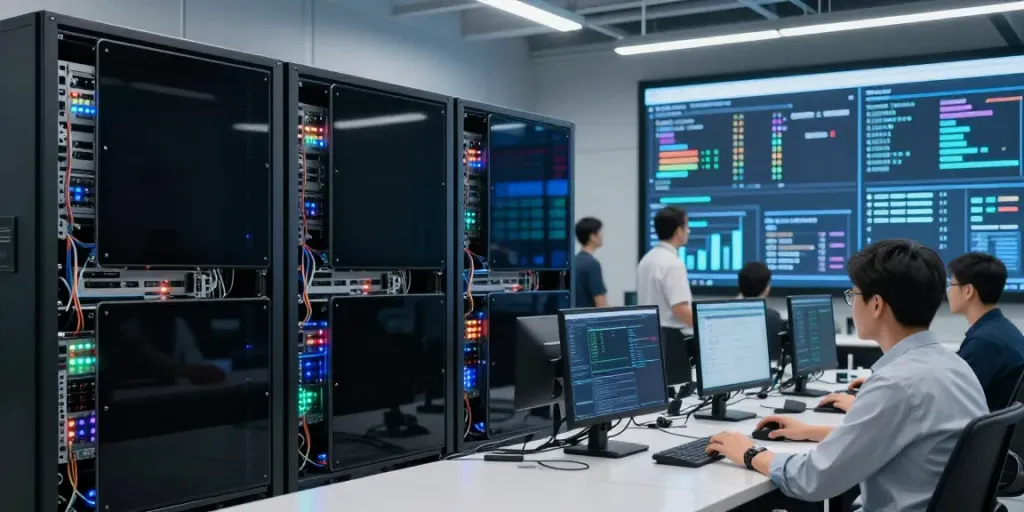
AI infrastructure refers to the collection of technologies and resources required to create, train, and deploy AI models. This includes powerful computing resources, data storage solutions, and networking capabilities. The backbone of AI systems typically consists of high-performance GPUs (Graphics Processing Units) which facilitate the processing of vast amounts of data required for machine learning.
Key Components of AI Infrastructure
- Computing Resources: High-performance GPUs and CPUs are essential for efficiently processing machine learning tasks.
- Data Storage: As AI models require access to large datasets, robust storage solutions are necessary to handle data management and retrieval.
- Networking Capabilities: High-speed network connections are crucial for transferring data between computing resources and storage solutions seamlessly.
- Software Frameworks: Tools like TensorFlow, PyTorch, and other machine learning frameworks enable developers to build and train models effectively.
Benefits of Robust AI Infrastructure
Investing in a solid AI infrastructure brings numerous benefits, including:
- Scalability: Organizations can scale their AI operations in response to growing data and computational needs.
- Enhanced Performance: High-capacity infrastructure ensures faster processing times for complex models and large datasets.
- Cost Efficiency: Optimized resource allocation reduces overhead costs associated with inefficient AI operations.
- Innovation Potential: A robust AI infrastructure fosters experimentation and innovation in AI applications.
Participating in the AI Token Economy
The AI Token Economy is an emerging framework where AI services are traded using a token-based system. This environment allows individuals and organizations to participate in the economic value generated by AI technologies.
How AI Tokens Function
AI tokens are units that represent the computational usage of AI models. They function similarly to currency in that they can be earned, traded, or used to pay for AI services. Each interaction with an AI model—such as asking a question or processing data—results in a corresponding number of input and output tokens that measure the usage of the model.
Your Role in the AI Token Ecosystem
As an individual or organization, you can play a crucial role in the AI Token Ecosystem by participating in AI infrastructure initiatives. This includes supporting electricity consumption for AI factories and offering resources for computing operations in exchange for rewards based on your contributions.
Impact of AI Infrastructure on Token Value
The value of AI tokens largely depends on the performance and efficiency of the underlying AI infrastructure. High-quality infrastructure enhances the capability and reliability of AI models, thus increasing the value of the tokens associated with those services. As demand for AI services grows, so too will the significance of a robust AI infrastructure in determining token economics.
Choosing the Right AI Infrastructure Power Plan
When engaging with the AI Token Economy, selecting an appropriate AI Infrastructure Power Plan is crucial. This plan determines how your contributions will be measured and rewarded.
Types of Power Plans Available
Various power plans cater to different levels of participation and resource allocation. Some of the available plans include:
- Core Power Access: Basic plan providing minimal power support.
- Enhanced Power Access: Offers additional support for more extensive AI operations.
- Advanced Power Access: Ideal for large-scale AI infrastructures requiring comprehensive resources.
Evaluating Your Participation Level
To select the right power plan, consider your organization's AI workload demands, existing infrastructure capabilities, and the level of involvement you wish to have in the AI Token Economy. Adjusting your power plan to align with your business goals is key to maximizing your contribution and rewards.
Calculating Expected Rewards
Your rewards in the AI Token Economy are derived from your contributions to the AI infrastructure and its operational performance. Each plan has specific rules regarding how rewards are calculated based on the electricity and resources you support.
Challenges in AI Infrastructure Development
Despite its numerous advantages, developing AI infrastructure poses significant challenges that organizations must navigate.
Common Misconceptions About AI Infrastructure
Many individuals mistakenly believe that AI infrastructure is solely the responsibility of large tech companies. In reality, participation is becoming increasingly accessible, allowing various stakeholders—including individuals—to contribute to AI projects.
Overcoming Technical Barriers
The complexity of AI infrastructure can deter participation. Organizations should invest in training and resources that demystify AI technologies and facilitate smoother integration.
Addressing Cost Implications
AI infrastructure can represent a significant financial investment. Careful planning and budgeting are necessary to ensure cost-effective operations, focusing on long-term benefits rather than short-term expenses.
Future Trends in AI Infrastructure for 2026
The future of AI infrastructure is poised for transformative changes driven by innovation and evolving market requirements. Here are some trends to watch for in 2026.
Emerging Technologies in AI Infrastructure
Technological advancements will continue to shape AI infrastructure. Innovations in quantum computing, edge computing, and advanced AI chips could redefine performance thresholds and operational capabilities.
Predicted Changes in AI Workload Management
As AI applications become more sophisticated, managing workloads will require dynamic resource allocation strategies that optimize performance based on real-time data and demand.
The Role of Renewable Energy in AI Infrastructure
With increasing awareness of environmental impact, renewable energy sources will play a pivotal role in powering AI infrastructures. Sustainable practices will not only reduce the carbon footprint but also enhance the appeal of AI services.
What is an AI Infrastructure Power Plan?
An AI Infrastructure Power Plan is a structured approach that outlines how an individual or organization will contribute to AI factory operations. It specifies the electricity and computing resources allocated to support AI workloads.
How are contribution rewards calculated?
Rewards are calculated based on the amount of electricity supported by your plan and the performance of AI workloads processed. The platform uses electricity activity and token data to assess your contribution.
What happens when my plan ends?
When your plan's term concludes, the platform will finalize your contribution calculations and provide a summary of your performance. You can then choose to renew your participation or select a different plan based on your future goals.