Understanding Water Treatment Systems
In today's rapidly evolving world, the significance of clean and safe water cannot be overstated. Water treatment systems play a crucial role in ensuring the quality and availability of water for various applications across industrial, municipal, and residential sectors. These systems not only enhance the quality of water but also contribute to sustainability and public health. As industries and communities face increasing water challenges, understanding the intricacies of water treatment becomes imperative. When exploring options, Water Treatment System Supplier can provide comprehensive insights into advanced solutions tailored for specific needs.
What is a Water Treatment System?
A water treatment system refers to a series of processes designed to improve the quality of water by removing contaminants and ensuring it is safe for consumption or use. These systems can vary significantly in complexity and configuration, ranging from simple filtration units to advanced, multi-stage treatment facilities. Common processes involved in water treatment include filtration, sedimentation, disinfection, and chemical treatment, which together ensure that water meets safety standards and quality requirements.
Importance of Water Quality in Urban Environments
Urban environments face unique challenges related to water quality due to high population density, industrial activities, and aging infrastructure. Contaminants such as heavy metals, pathogens, and chemicals can pose dire health risks if not properly managed. Consequently, maintaining high water quality is essential for public health, environmental sustainability, and economic growth. Furthermore, with the rising concerns over climate change and water scarcity, effective water treatment solutions are necessary to ensure reliable access to clean water for urban populations.
Types of Water Treatment Systems Available
There are various types of water treatment systems designed to cater to different applications and needs:
- Residential Water Treatment: These systems include filtration units, reverse osmosis systems, and water softeners aimed at improving household water quality.
- Industrial Water Treatment: Tailored for industrial operations, these systems handle large volumes of water, managing both supply and discharge to meet regulatory standards.
- Municipal Water Treatment: Comprehensive systems designed to treat drinking water for municipalities, ensuring safety and compliance with health regulations.
- Wastewater Treatment: These systems are essential for treating municipal and industrial waste, enabling the safe return of treated water to the environment.
- Desalination Systems: Vital in arid regions, these systems convert seawater into fresh water using various advanced techniques.
Core Applications of Containerized Water Treatment Systems
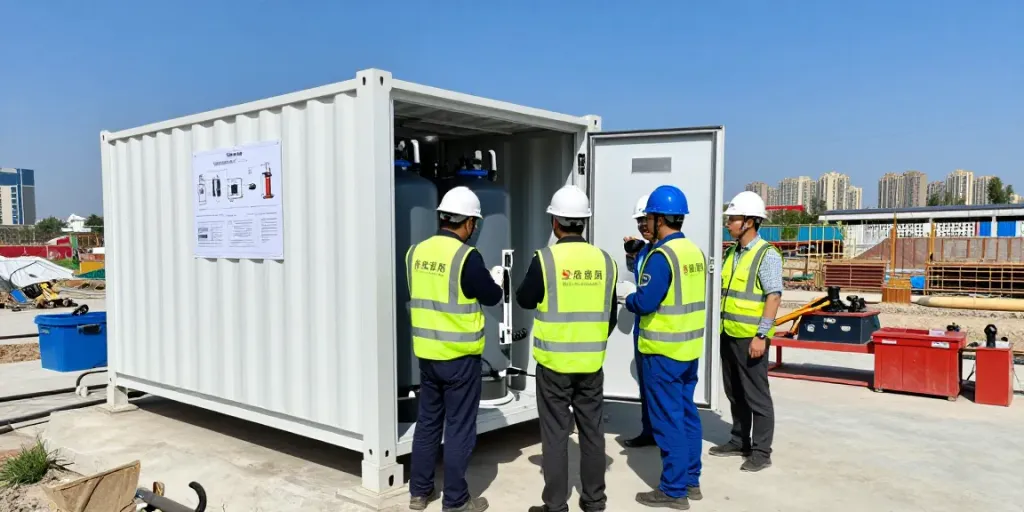
Containerized water treatment systems represent a significant innovation in the water treatment industry. They are particularly useful for their versatility and rapid deployment capabilities, making them an ideal choice for a variety of applications.
Industrial Wastewater Treatment Solutions
Industries often generate complex wastewater, requiring specialized treatment solutions to address the unique challenges associated with their operations. Containerized systems are designed to treat high-difficulty industrial wastewater efficiently, ensuring compliance with environmental regulations while minimizing operational downtime.
Municipal Sewage Treatment Strategies
Municipalities face the ongoing challenge of treating sewage from residential and industrial sources. Containerized systems allow for modular installations in remote or constrained areas, providing a flexible approach to municipal sewage treatment. This adaptability ensures that cities can effectively manage their sewage without significant infrastructure investments.
Emergency Water Treatment Applications
In emergency situations, such as natural disasters or contamination events, the rapid deployment of water treatment systems is critical. Containerized solutions are inherently mobile and can be transported to affected areas quickly, providing essential treatment capabilities to restore safe water access in crisis scenarios.
Advantages of Choosing a Reliable Water Treatment System Supplier
Selecting the right water treatment system supplier is crucial for the success of any water management project. Various advantages come with partnering with a reputable provider, particularly one specializing in containerized solutions.
Customization of Water Solutions for Diverse Needs
Different industries and municipalities have unique water treatment requirements. A dependable supplier can offer customized solutions tailored to specific challenges, ensuring that each system effectively meets the necessary regulatory standards and operational demands.
Speed and Efficiency of Deployment
Containerized water treatment systems are designed for rapid deployment, enabling swift installation and operation. This agility is particularly advantageous in scenarios where time is critical, allowing suppliers to address urgent water treatment needs efficiently.
Compliance with Environmental Standards
Reputable water treatment suppliers prioritize compliance with environmental regulations and standards. Their systems are engineered to meet or exceed local and international guidelines, thus ensuring that treated water can be safely discharged or reused without causing harm to the ecosystem.
Challenges in Water Treatment Implementation
While selecting a water treatment system can seem straightforward, various challenges can arise during implementation that require careful consideration.
Common Misconceptions About Water Treatment Systems
One prevalent misconception is that all water treatment systems are the same. In reality, the effectiveness of these systems can vary significantly based on factors such as design, technology used, and operational conditions. It's essential to understand that a tailored approach is necessary for optimal performance.
Financial Considerations and Budgeting
Financial constraints can often impede the adoption of advanced water treatment solutions. Companies and municipalities must consider not only the initial investment but also ongoing operational and maintenance costs. Finding a balance between cost and quality is critical.
Technical Challenges in System Integration
Integrating new water treatment systems into existing infrastructure can pose technical challenges. It's vital that suppliers offer support and expertise in system integration to ensure a smooth transition and effective operation.
Future Trends in Water Treatment Technology
The water treatment industry is constantly evolving, driven by technological advancements and increasing environmental awareness. Here are some key trends shaping the future of water treatment technology.
Emerging Technologies for Sustainable Water Solutions
Innovative technologies such as membrane filtration, advanced oxidation processes, and smart monitoring systems are gaining traction in the water treatment sector. These solutions not only enhance efficiency but also promote sustainability by reducing chemical usage and energy consumption.
Predictions for 2026 in the Water Treatment Industry
By 2026, it is anticipated that the water treatment industry will witness substantial growth, driven by increasing demand for clean water and stricter regulations. Enhanced focus on decentralized water treatment systems and smart water management practices will reshape how communities and industries approach water treatment.
The Role of Innovations in Addressing Water Scarcity
As global water scarcity becomes more pronounced, the role of innovative water treatment technologies will be critical in providing reliable and sustainable solutions. Emphasizing recycling, reuse, and energy-efficient processes will be vital to addressing the growing demand for water resources worldwide.
What are the best water treatment systems available?
The best water treatment systems vary based on specific needs and applications. However, systems that prioritize efficiency, sustainability, and compliance tend to outperform others, making them ideal choices for industries and municipalities alike.
How much does a water treatment system typically cost?
The cost of water treatment systems can vary widely based on several factors, including system complexity, application type, and supplier. It is essential to conduct a thorough cost-benefit analysis to understand the total investment required for both installation and operation.
Who are the leading suppliers of water treatment systems?
Numerous suppliers specialize in water treatment systems, each offering unique strengths. Notable names include global leaders who have built a reputation for innovation, reliability, and customer service in the industry.
What factors to consider when selecting a water treatment supplier?
When choosing a water treatment supplier, factors such as industry experience, product offerings, customization capabilities, and customer support should be prioritized. A supplier that can adapt to specific needs and provide comprehensive service is invaluable.
How do containerized systems compare with traditional setups?
Containerized water treatment systems offer significant advantages over traditional setups, including flexibility, ease of transport, and rapid deployment. Their modular design allows for scalability and adaptation to evolving water treatment needs, making them a preferred choice in many scenarios.